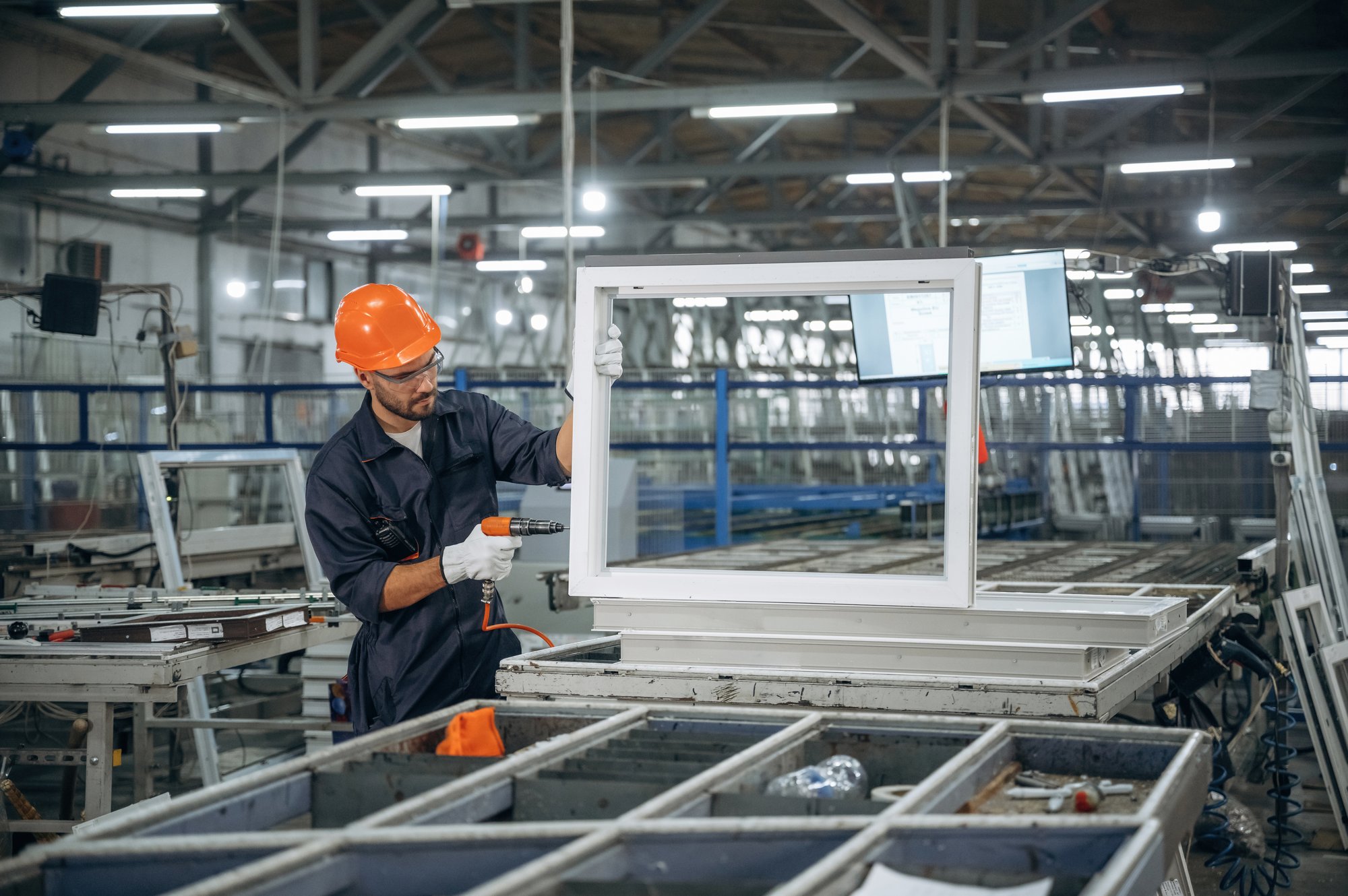
K-LINE, a subsidiary of the Liebot Group and the French leader in industrial joinery, manufactures entry doors, sliding doors, and windows for new construction and renovation projects at seven production sites in France: Lima, City, Ouest Alu, and the four Prima plants. Aluminum, a key component of its products, is becoming increasingly scarce, and its price fluctuates significantly. Reducing scrap rates has therefore become a strategic priority.
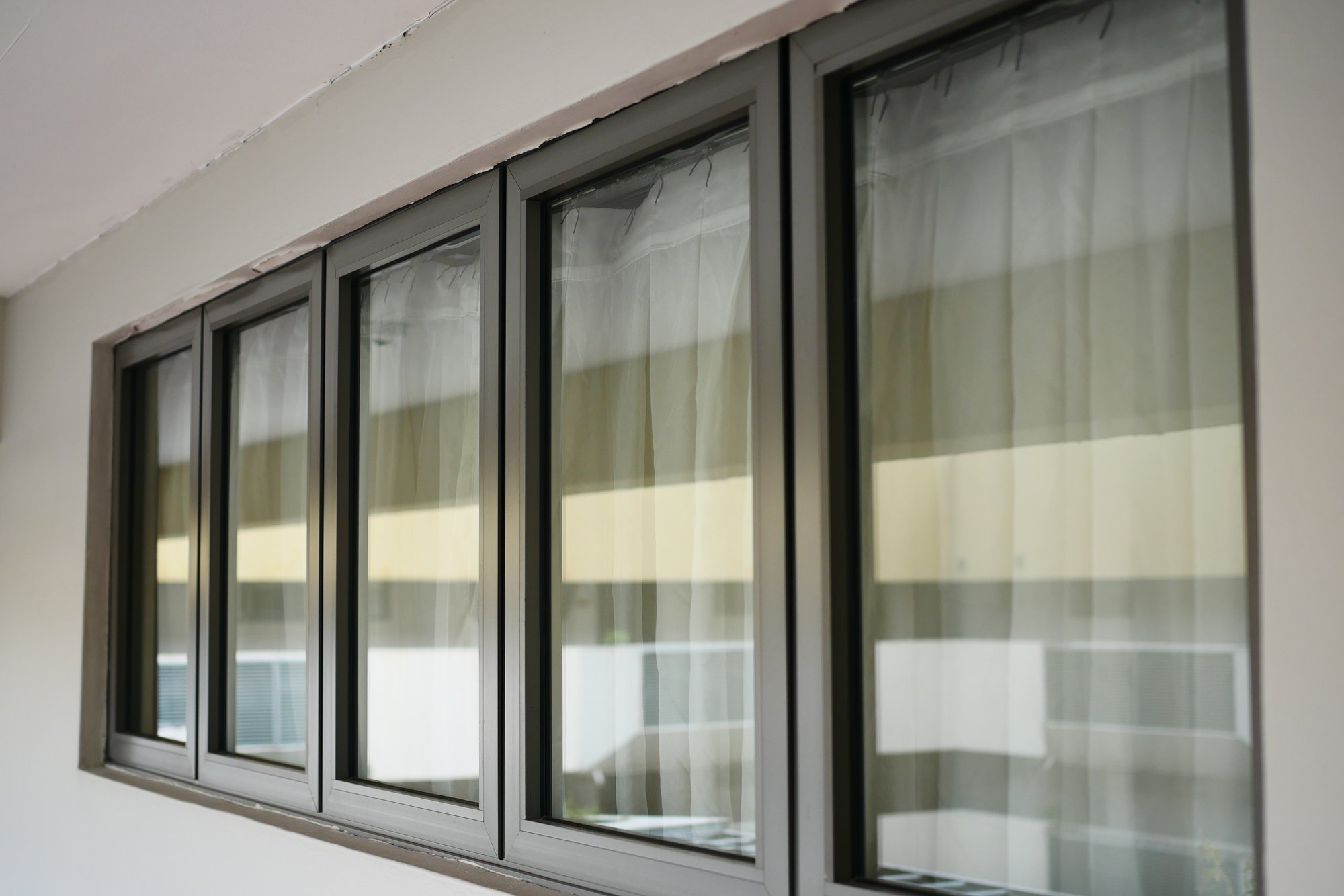
Front doors, sliding doors, and windows made of aluminum and PVC.
K-LINE needs to move away from a static materials management system that relies on segmented data across various information systems (ERP, MES, WMS) and is reported retrospectively via a BI system.
K-LINE needs a Material Management System (MMS) that can reconcile planned and actual figures across all its sites, in order to respond quickly to discrepancies between planned and actual output.
Failure to include scrap in net requirements calculations results in excess inventory and unnecessary handling. With a target of reducing scrap by 2 points and the introduction of Coralium recycled aluminum starting in May 2026, the challenge is to establish a unified materials management framework across the group’s 7 sites.
175 metric tons of aluminum saved in 12 months
A 2-point reduction in the fall rate
735 metric tons of CO2 equivalents avoided
€700,000 per year saved on material procurement costs*
*At a market price of €4,000 per metric ton, excluding tax
Every disposal site saved directly reduces the purchase of new materials.
Planning simulations optimize material yield before each production run
The projected material consumption matches the actual figures.
The elimination of the RAB has reduced the number of new profiles returned and unnecessary handling.
A single dashboard to optimize material usage across the 7 sites.
Tracking Fall Rates Using Reeverse's BI Analyses and Dashboards
The result is positive, with a 6.91% reduction in scrap rate between the current solution and the Reeverse Systems solution.
Additional gains are noted in productivity in the pre-processing area and during machining, with fewer batches to prepare and less weight to handle in terms of profiles and scrap.
The automatic integration of Reeverse Systems' batching calculations into our ERP system has saved us two hours with each run.
No commitment required, and without disrupting your production. Our experts use your data to identify concrete ways to optimize your material flow.